Room-by-Room Upgrades for Safer, Accessible Living at Home

Welcome! Today we explore Aging-in-Place modification plans by room for safer, accessible living. We will walk through entryways, living rooms, kitchens, bathrooms, bedrooms, hallways, and stairs, blending universal design, code-aware details, and thoughtful aesthetics. Expect practical checklists, budgets, and technology options that preserve independence, dignity, and comfort without sacrificing style. Share questions, subscribe for updates, and tell us what has worked in your home so future articles address your unique goals, caregiving realities, and the joyful routines you want to keep.

Entryways That Welcome Without Barriers
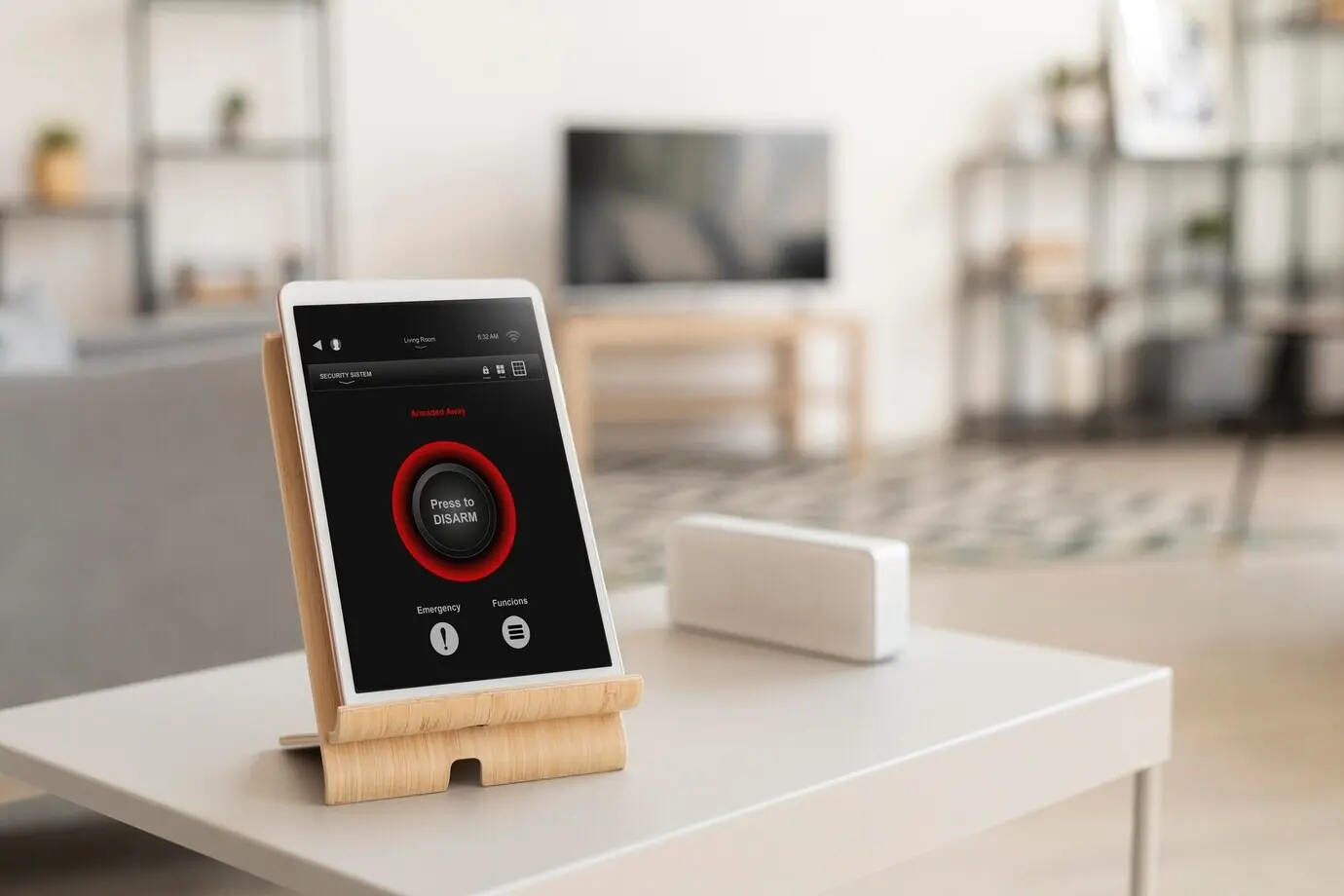
The journey begins at the front door, where a single step or dim light can quietly undermine confidence. Thoughtful entry planning considers weather, slope, maneuvering space, door width, and secure grip points. With sturdy rails, well-placed lighting, no-step access, and intuitive hardware, arrivals become calm and dignified. We share simple upgrades and code-aware guidance so you can greet deliveries, guests, caregivers, and grandkids without hesitation or risk, even on rainy nights or icy mornings that once complicated everyday moments.

Living Room Flow and Everyday Comfort

This is where conversations linger, hobbies unfold, and grandkids spill puzzle pieces across the rug. Safety hides in the details: clear paths, secure rugs, reachable switches, and supportive seating. Small adjustments reduce trips, tangles, and frustration while preserving the warmth that makes a room feel like you. We’ll explore lighting layers, furniture placement, and discreet tech that simplifies control. Post your room dimensions or photos, and we’ll help you map a graceful, comfortable flow that fits your routines.

Clear Pathways and Furniture Layouts

Aim for generous walkways that allow easy passing with a walker or side-by-side support. Keep cords tidy, tables sturdy, and corners rounded or softened. Consider a 60-inch turning circle in at least one spot for wheelchairs or helpful pivots. Place seating where conversations don’t require shouting or straining. If you’ve rearranged furniture for visiting family, share how it felt; we’ll refine the layout so it stays inviting, supports balance, and keeps favorite reading lamps right where you want them.

Flooring Choices, Thresholds, and Acoustics
Underfoot comfort shapes confidence. Low-pile carpet, cork, or textured luxury vinyl plank can reduce slips and soften footsteps. Keep thresholds low and gently beveled. If echoes cause fatigue, consider soft furnishings, acoustic panels, or lined curtains. Choose contrasting colors at edges to reveal depth and avoid missteps. Tell us about pets, spills, or wheel traffic, and we’ll pick durable finishes that clean easily. A room that’s quiet, forgiving, and stable restores energy, turning daily movement into something comfortable, not cautious.

Lighting Layers and Easy Controls

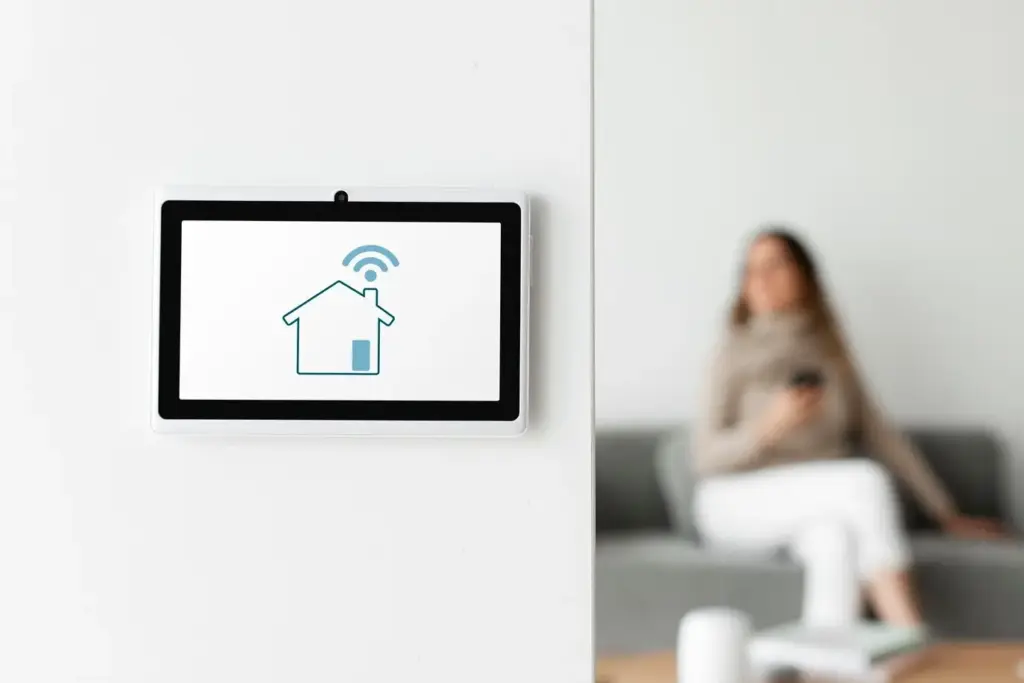
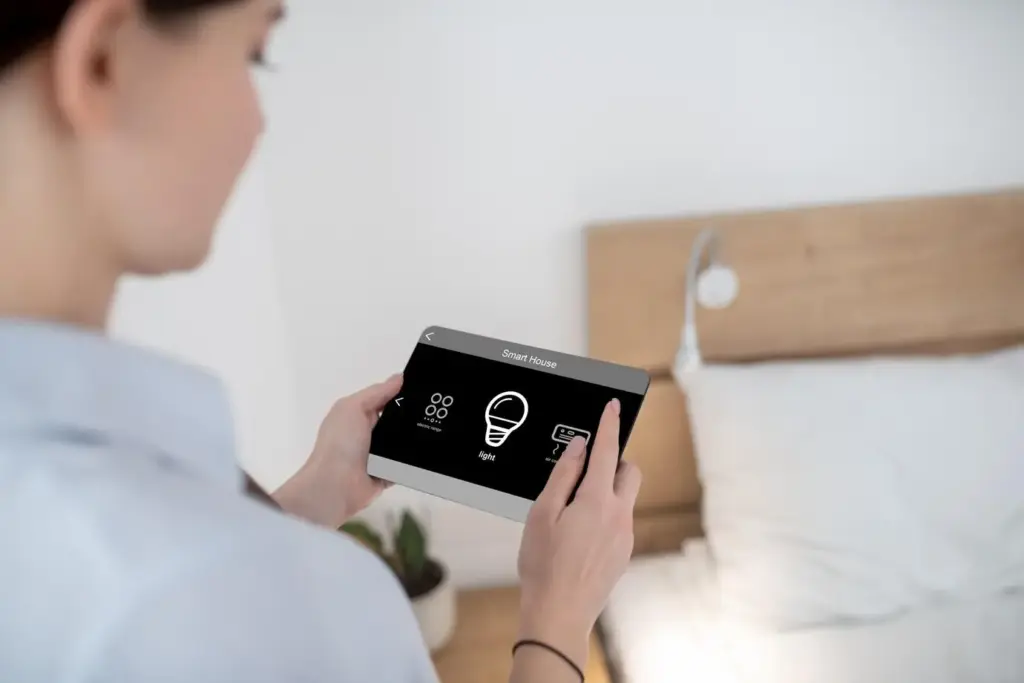
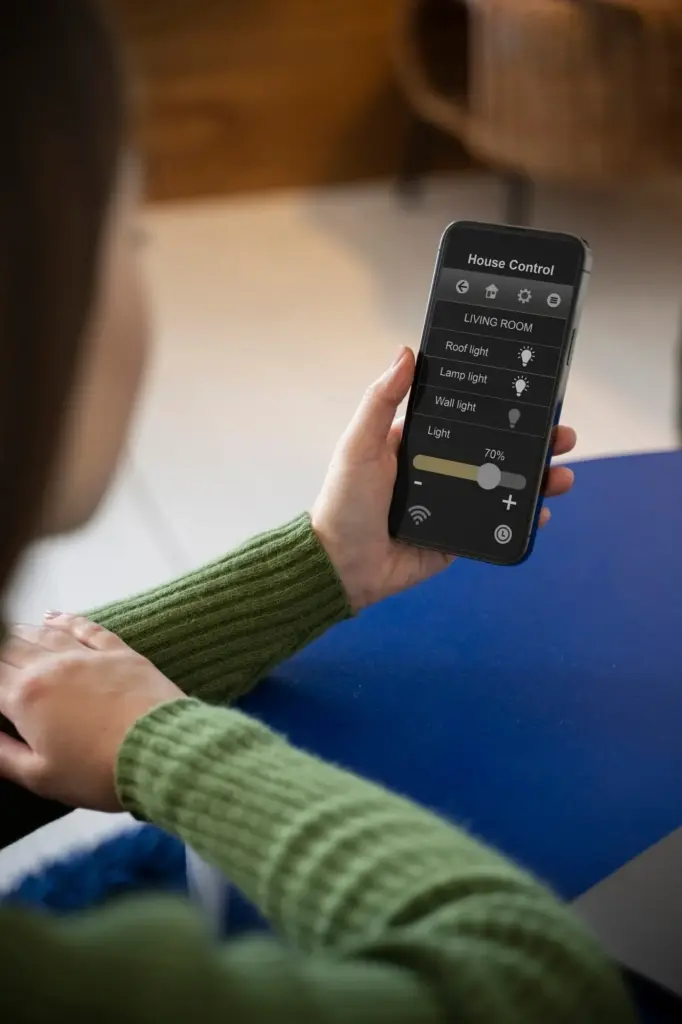
Balanced light supports reading, crafts, and relaxed evenings. Layer overhead, task, and accent lighting, then use dimmers and large, clearly labeled switches at reachable heights. Voice assistants or remote controls can reduce unnecessary trips across the room. Aim for warm light that calms without glare. Mark controls with simple icons if memory sometimes wanders. Share your favorite activities—knitting, music, puzzles—and we’ll propose lighting scenes that protect eyes, guide steps, and keep cherished routines feeling effortless and welcoming.

Kitchen Reach, Safety, and Independence

Good meals begin with safe reach and calm order. Reconsider heights, storage, and heat sources so cooking feels empowering, not risky. Pull-out shelves reduce bending, varied counter heights support seated prep, and induction tops limit burns. Side-opening wall ovens and drawer dishwashers simplify transfers. With anti-scald protection, clear sightlines, and contrasting edges, the kitchen becomes intuitive again. Share your favorite recipes or mobility needs, and we’ll outline a plan that preserves flavor, rhythm, and independence while minimizing strain or worry.

Accessible Storage and Work Surfaces

Bring frequently used items to waist-to-shoulder height, using pull-down racks or pull-out shelves that reveal contents at a glance. Provide knee space under at least one counter for seated prep, and keep edges rounded for safety. Choose easy-grip D handles over small knobs. Lighting inside cabinets prevents overreaching. If cooking is a beloved ritual, tell us your workflow; we’ll stage zones for chopping, mixing, and plating that keep favorite tools nearby while maintaining clear, wide paths through the room.

Appliance Selection and Thoughtful Placement

Select appliances that respect reach and movement. An induction cooktop reduces burn risks, while a side-opening wall oven at a moderate height shortens awkward lifts. Consider a French-door refrigerator with clear storage and smooth glides. Drawer dishwashers can be loaded from seated positions. Place controls forward yet protected from accidental bumps. If arthritis or tremors visit occasionally, we’ll recommend knobs with clear feedback and displays with large, high-contrast text. Share brand preferences, and we’ll match reliable models to your layout.

Water, Heat, and Fire Safety Essentials

Set water heaters to safe temperatures and consider anti-scald valves at the sink. Add an automatic shutoff for the range if distractions are common. Keep an ABC-rated extinguisher visible and smoke or carbon monoxide alarms interconnected. Non-slip mats near the sink reduce sudden slides. Under-cabinet lighting improves visibility for chopping. If you’ve had a close call, tell us what happened—no judgment here. Together we’ll design layers of protection that feel invisible day-to-day, yet ready when needed most.

Bathroom Confidence Without Compromise

{{SECTION_SUBTITLE}}

Curbless Showers and Reliable Drainage

A well-executed curbless shower removes a daily barrier. Plan for continuous waterproofing, a gentle slope toward a linear drain, and a fold-down seat positioned for easy rinsing. Add a handheld shower with a sliding bar for flexible reach. Keep shelves at accessible heights so nothing requires precarious stretching. If space is tight, we’ll sketch alternative door swings or curtains that protect floors without blocking mobility. Tell us how you shower today, and we’ll tune dimensions to your comfort.

Grab Bars, Blocking, and Secure Supports

Strong grab bars are confidence you can hold. During remodels, install solid blocking in walls to anchor bars exactly where you need them—near the toilet, inside the shower, and by the entrance. Choose finishes that match other fixtures so safety looks intentional, not clinical. Diameters that fit your hand and textures that resist slipping matter. If you’ve felt unsure when turning or standing, describe the moment; we’ll place supports that make each movement steady, dignified, and beautifully integrated.

Bedroom Ease and Restorative Routines

Rest blooms where movement is effortless and nighttime paths are clear. Focus on bed height, stable surfaces, and lighting that glows softly instead of startling. Keep essentials within easy reach and route cords away from feet. With supportive mattresses, uncluttered paths, and gentle wake lights, mornings feel kinder. We’ll personalize closet access, add seating for dressing, and plan discreet safety features. Share your winding-down rituals, and we’ll shape a room that honors them while protecting balance, privacy, and comfort.

Hallways, Stairs, and Vertical Travel

Transitions stitch the home together, and small refinements here make movement feel trustworthy again. Wider halls, stronger grips, and clear cues reduce uncertainty on busy days and tired evenings. We’ll review handrail designs, riser visibility, and lift options that respect budgets and layouts. From stair lighting to contrasting nosings, every detail supports confident steps. Tell us where you hesitate—top landing, mid-flight turns, or narrow corridors—and we’ll suggest durable solutions that blend into your style while quietly preventing slips and stumbles.

01

Handrails, Grips, and Visual Contrast

Reliable handrails are subtle companions on every climb and descent. Choose a continuous profile that feels comfortable in your palm, with secure returns into the wall. Add a second rail if one side feels exposed. Highlight stair edges with contrasting strips or nosings so depth is obvious in any light. If arthritis flares, textured finishes improve grip without discomfort. Share photos of your staircase, and we’ll recommend heights, diameters, and mounting hardware that enhance safety without overpowering your home’s character.

02

Stairlifts, Platforms, and Other Options

When stairs become a barrier, technology extends independence. Modern stairlifts fold neatly, feature battery backups, and offer swiveling seats for safer transfers. Platform lifts or compact home elevators may suit wheelchairs or future planning. We’ll weigh turning radii, landing sizes, headroom, and budget to find the right fit. If you worry about aesthetics, we’ll coordinate finishes and rail lines with surrounding trim. Tell us how often you use the upper floor, and we’ll tailor solutions to your daily life.

03

Hallway Width, Doors, and Smooth Passing

Narrow passages amplify stress. Where possible, widen bottlenecks or use swing-clear hinges to reclaim inches without construction. Consider pocket or carefully designed barn doors that move effortlessly with minimal reach. Add evenly spaced, glare-free lighting and tactile switches at comfortable heights. Keep walls free of jutting decor that catches sleeves or mobility aids. If turning with a walker feels tight, share dimensions; we’ll model clearance, suggest storage relocations, and create passing zones that make every trip steady and relaxed.

Tutoruzifomozopi
Privacy Overview

This website uses cookies so that we can provide you with the best user experience possible. Cookie information is stored in your browser and performs functions such as recognising you when you return to our website and helping our team to understand which sections of the website you find most interesting and useful.