
Room-by-Room Smart Home Playbooks that Actually Work

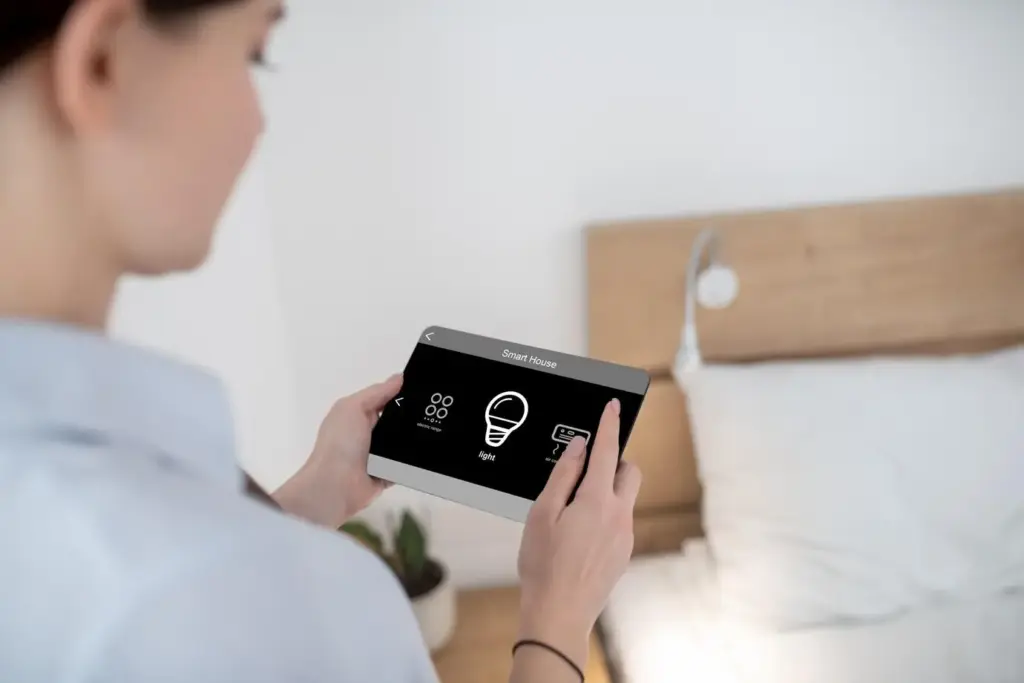
Today we dive into practical, room-by-room smart home upgrade playbooks covering lighting, security, and climate, turning scattered gadgets into a coordinated system that saves energy, strengthens safety, and feels magical. Expect checklists, friendly wisdom, and real-life examples you can adapt to your home. Share your layout and subscribe for future playbooks, and tell us which rooms challenge you most so we can tailor upcoming guides with targeted tips, honest pitfalls, and proven setups.

Map Rooms, Activities, and Pain Points

List what actually happens in each space: quiet reading, messy cooking, late-night nursing, movie nights, and rushed mornings. Identify annoyances like dark corners, stubborn thermostats, unpredictable door access, and weak ventilation. Translate every annoyance into a measurable upgrade outcome. When you relate changes to daily moments, decisions become clearer, budgets feel purposeful, and your automations remain focused on comfort, safety, and upkeep rather than novelty or tech for tech’s sake.

Pick Ecosystems, Standards, and Hubs with Intention

Choose platforms that fit your household, whether voice-first assistants, privacy-forward controllers, or flexible local hubs. Favor Matter and Thread where possible to reduce vendor lock-in and improve resilience. Understand when Zigbee sensors, mmWave presence detection, or Wi‑Fi plugs make sense. Decide early how you’ll handle updates, backups, and account access. Planning today prevents brittle routines tomorrow and makes it easier to add lighting scenes, security automations, and climate schedules without rework.

Phase Your Budget, Timeline, and Risk

Start with one room pilot and a limited set of goals, like adaptive lighting, entry awareness, and temperature comfort. Track reliability before rolling out to the entire home. Keep a reserve for electrician work, network upgrades, and unexpected accessory needs. Build in fallbacks, including manual switches, physical keys, and local control paths. A deliberate pace lowers stress, avoids sunk costs, and helps every upgrade meaningfully improve daily life, not just impress visitors.

Living Room: Atmosphere, Presence, and Comfort
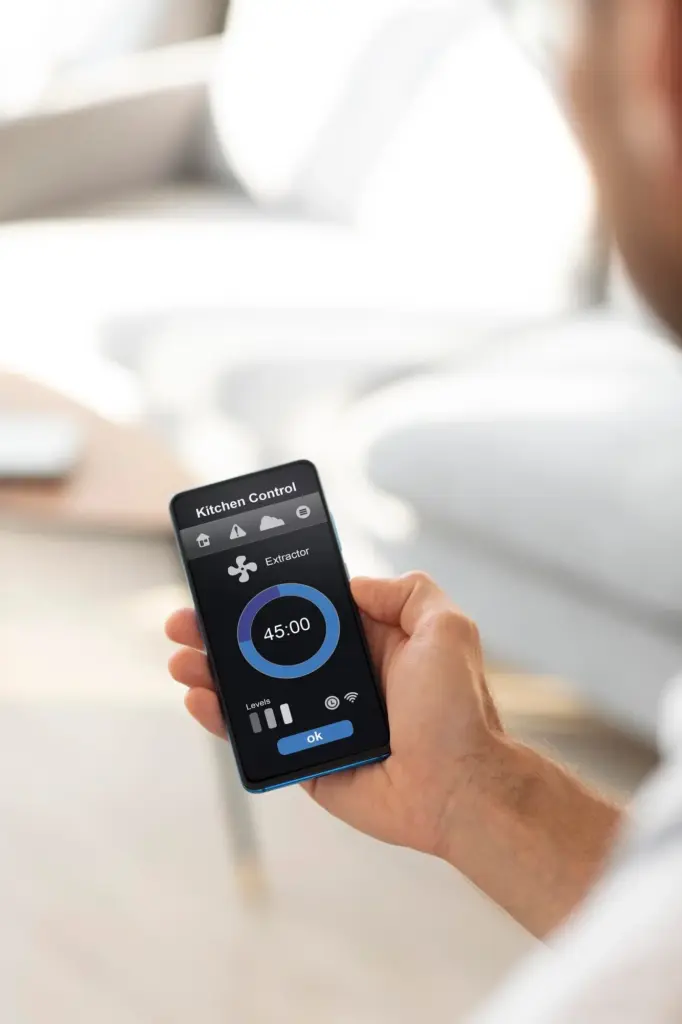
This shared space benefits from layered lighting, whisper-quiet presence awareness, and calm climate management that respects conversation, relaxation, and entertainment. Combine dimmable lamps, smart plugs, and in-wall switches for flexible scenes that suit reading, gaming, or movie nights. Use presence sensors to adapt lighting and gently reinforce security. Align temperature, airflow, and air quality with occupancy and time, so comfort feels effortless and energy usage remains predictable without frequent manual adjustments.

Layered Lighting and Cinematic Scenes
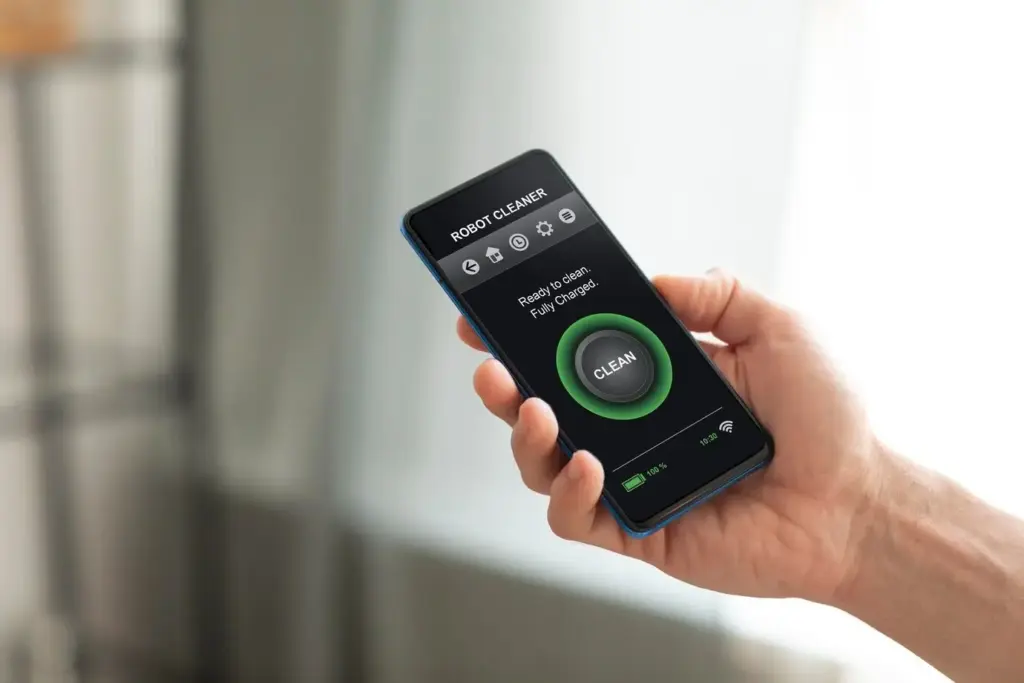
Blend overhead lights with floor and table lamps, adding bias lighting behind the TV to reduce eye strain. Create scenes for reading, gatherings, and cinema, and include circadian options that warm toward evening to support relaxation. Ensure manual control works even when automation fails. If possible, group fixtures by function rather than location alone, and let ambient sensors adjust brightness as daylight shifts, preserving mood while cutting unnecessary energy use across seasons.

Presence, Media Sync, and Quiet Security
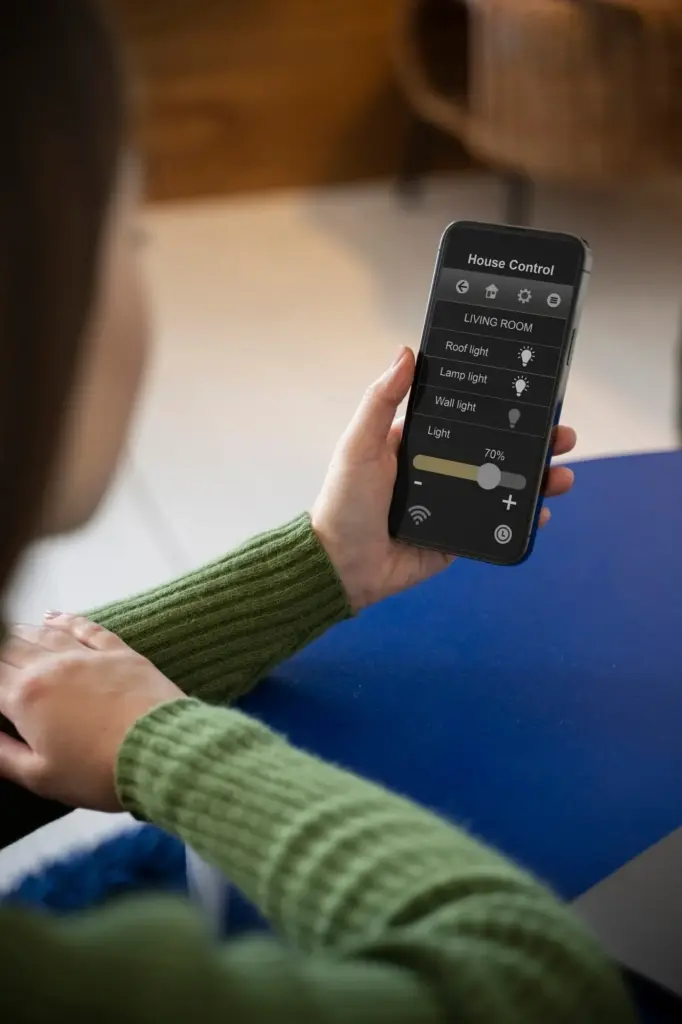
Use high-quality presence sensors, including mmWave where practical, to avoid darkness when people sit still. Tie soft lighting to media states so play and pause adjust brightness gently. For security, prefer subtle alerts, restrained notification rules, and privacy zones on any indoor camera. Automations should feel like a considerate host, not a nagging supervisor. Keep a quick-access scene that brightens pathways and unlocks the nearest door for late-night arrivals or unexpected needs.

Kitchen: Bright, Safe, and Efficient

Cooking demands crisp illumination, dependable safety alerts, and responsive ventilation that clears heat and humidity without overcomplicating routines. Under-cabinet fixtures, accurate color rendering, and occupancy sensors keep counters bright exactly when needed. Leak monitors, stove reminders, and water shutoff protect your floors and budget. Smarter ventilation follows humidity and cooking activity rather than rigid timers, while temperature nudges, shade control, and window prompts reduce energy waste during everyday meal preparation and cleanup.

Bedroom: Rest, Privacy, and Subtle Protection

Prioritize calm routines that support wind-down, effortless navigation at night, and secure sleep without intrusive alarms. Warm, low-lumen pathways keep toes safe while preserving melatonin. Shades, fans, and thermostats coordinate quietly to maintain ideal sleep temperatures. Door and window awareness stays discreet, escalating only for genuine concerns. Morning scenes gently brighten and warm, introducing air and light gradually. Everything should feel dependable, reversible, and respectful of personal rhythms rather than regimented or fussy.

Smarter Entry with Redundancy

Use unique codes for family, guests, and services, expiring access automatically after visits. Keep an external keypad, phone-based unlock, and a physical key as layered fallbacks. Tie a welcome scene to unlock events, illuminating paths and briefly disabling interior motion alerts. Geofencing can prepare lighting as you approach, but always require a positive action to unlock. Regularly review access logs, rotate codes when needed, and practice offline procedures to maintain resilience during outages.

Light as a Guardian

Combine dusk schedules, motion triggers, and weather-aware rules to illuminate entrances without blinding neighbors. Use warm color temperatures near doors to feel inviting while still discouraging loitering. Link side yard lights to subtle motion increments, increasing brightness only when necessary. Coordinate with indoor hallway lighting so late arrivals can move safely. Seasonal profiles can adapt earlier sunsets, while vacation modes randomize interior lamps, creating believable presence signals without broadcasting strict patterns or wasting electricity.

Humidity-Driven Fans and Safer Lighting

Let humidity, temperature delta, and presence guide fan speeds, then hold airflow until moisture normalizes. Use warm low-level night lighting for early visits to protect sleep, with higher accuracy lighting near mirrors for shaving and makeup. Add anti-fog mirror heaters to timed routines. If windows are available, automate shade and ventilation coordination. Keep waterproof switches where appropriate, and ensure overrides are obvious. Comfort improves, mold risks drop, and mornings become calmer and more predictable.

Water Guardians and Automatic Shutoff

Place leak sensors at risk points and test them quarterly. Connect to a smart shutoff valve that isolates water during detected events, sending notifications to multiple household members. Consider moisture mats beneath washers and tanks. Add gentle lighting and audio cues during an incident to prompt quick inspection. The best protection is quiet, fast, and reversible. Map manual valves and keep a checklist handy, ensuring whoever is home can act calmly under pressure.
Tutoruzifomozopi
Privacy Overview

This website uses cookies so that we can provide you with the best user experience possible. Cookie information is stored in your browser and performs functions such as recognising you when you return to our website and helping our team to understand which sections of the website you find most interesting and useful.