Room-by-Room Remodeling Budget Playbook for Maximum ROI

We dive into Remodel Budget Allocation by Room: Maximizing ROI and Resale Value, translating market insights into practical, prioritized spending decisions. From kitchens and baths to curb appeal and systems, you’ll learn where every dollar stretches furthest, how to phase projects intelligently, and what impresses buyers. Share your goals, ask questions, and subscribe for deeper breakdowns and real-world case studies.

Set Priorities with a Value-First Lens

Start by aligning spending with what buyers in your area actually want, not what glossy magazines celebrate. Study recent comparable sales, note finishes that moved properties quickly, and weigh condition issues that scare inspectors. Create a ranked list of rooms and fixes, then match investment levels to likely buyer impact, maintenance savings, and your own daily comfort. This ensures today’s enjoyment and tomorrow’s resale gains stay in balance.

Layout and Workflow Before Luxury Finishes

Prioritize a sensible work triangle, clear prep zones, and traffic paths that avoid collisions at the fridge or sink. Small layout corrections—like swapping hinge directions or relocating a microwave—can transform daily use. If walls move, involve a pro early to check structural and ventilation needs. Perfect flow makes budget-friendly finishes read as premium, because buyers fall in love with ease, not just the sparkle of stone.

Appliances and Surfaces with Broad Appeal
Choose reliable, energy-efficient appliances in cohesive finishes, avoiding ultra-specialized features that inflate cost without adding sale-day excitement. For counters, durable materials with forgiving patterns hide wear and stage beautifully under bright lights. Pair with simple, sturdy hardware and a backsplash that complements rather than competes. The goal is a unified look that photographs cleanly, withstands family life, and signals quality without feeling extravagant or fragile.

Lighting, Storage, and Small Details that Signal Quality

Layer task, ambient, and accent lighting to banish shadows and brighten work surfaces. Add soft-close hinges, pull-out trays, and a concealed trash solution to demonstrate thoughtful planning. Refreshing tired cabinets with paint and new hardware often beats a full replacement. These subtle cues create a subconscious sense of care and longevity, convincing buyers the rest of the home was maintained with equal attention and respect.

Bathrooms Buyers Trust and Love

Well-executed baths convey cleanliness, safety, and low maintenance. Focus on waterproofing, ventilation, and lighting before chasing spa elements. Neutral tile, modern fixtures, and ample storage give a crisp, hotel-like feel without being cold. Small footprint upgrades—new vanity, mirror, and bright LED lighting—can reset impressions dramatically. Keep materials consistent throughout the home to avoid jarring transitions, and prioritize fixes that reduce moisture risks inspectors eagerly highlight.
Converting a worn tub to a low-threshold shower can open space, improve accessibility, and photograph larger. Keep glass simple and hardware cohesive with the rest of the home. If a family buyer profile dominates, maintain at least one tub somewhere. Add niches, towel hooks, and a quiet fan that actually clears steam. These choices read as modern, intentional, and safer, while staying friendly to cleaning routines.
Select fixtures with replaceable cartridges and finishes that resist fingerprints and water spots, keeping maintenance low. A furniture-style vanity with deep drawers beats shallow cabinets for daily usability. Choose tile sizes and grout colors that hide staining, and consider one accent wall rather than a maze of patterns. The bathroom should whisper calm, not scream for attention, encouraging longer showings and stronger offers from cautious buyers.
Invest where cameras cannot see: proper membrane systems, sloped pans, and venting to the exterior. Document these steps with photos for your listing packet. When an inspector finds dry readings, a grounded GFCI, and a fan that moves real air, anxiety drops. That confidence translates into fewer concessions and tighter timelines, allowing your budget to work twice—first protecting the home, then protecting your negotiating position at contract.

First Impressions from the Street

Curb appeal sets expectations before the lock even turns. Fresh paint, clean lines, and a welcoming entry promise an easy move-in. Simple swaps—an updated door, new house numbers, crisp lighting—are photographed first and shared widely. Landscaping with tidy edges, mulched beds, and a clear walkway frames everything else. When exterior care looks deliberate, buyers assume the interior was treated with the same respect and discipline.

Make Everyday Rooms Feel Effortless

Living rooms, bedrooms, and halls win hearts through comfort, cohesion, and light. Aim for a consistent flooring story, soft paint sheens that hide imperfections, and layered lighting to create inviting corners. Built-in storage and thoughtful window treatments reduce visual noise. With modest funds spread wisely, these spaces become calm backdrops where buyers imagine routines immediately. The result is emotional attachment—often the deciding factor in competitive situations.

Invisible Systems, Visible Payoffs

Behind the walls, efficiency and reliability drive peace of mind. Smart insulation, tight ductwork, and updated mechanicals lower operating costs and inspection friction. Focus on improvements buyers recognize indirectly: even temperatures, quiet equipment, clean air, and predictable bills. Documentation matters—permits, warranties, and utility histories validate claims. By allocating part of your budget here, you anchor trust, reduce renegotiations, and support a final price that rewards preparation.

01

Energy Efficiency That Lowers Bills and Calms Inspections

Seal attic penetrations, boost insulation to recommended levels, and weatherstrip exterior doors before considering window replacements. Tuning ductwork and adding smart, zoned controls often outperforms cosmetic upgrades in comfort and cost savings. Keep utility statements to showcase improvements. When buyers feel consistent temperatures and hear nothing rattling, they relax—and relaxed buyers write stronger offers with fewer contingencies and less appetite for post-inspection credit demands.

02

Mechanical Reliability Buyers Respect

Service the HVAC, replace aging water heaters before failure, and label panels clearly. Drip pans, shutoff valves, and seismic strapping speak volumes about diligence. If roofs or gutters need attention, address them proactively and keep receipts. These moves rarely trend on social media, yet they prevent deal-killing surprises. Reliability reduces stress for you and the next owner, translating directly into smoother closings and tighter final numbers.

03

Smart Features That Feel Natural, Not Gimmicky

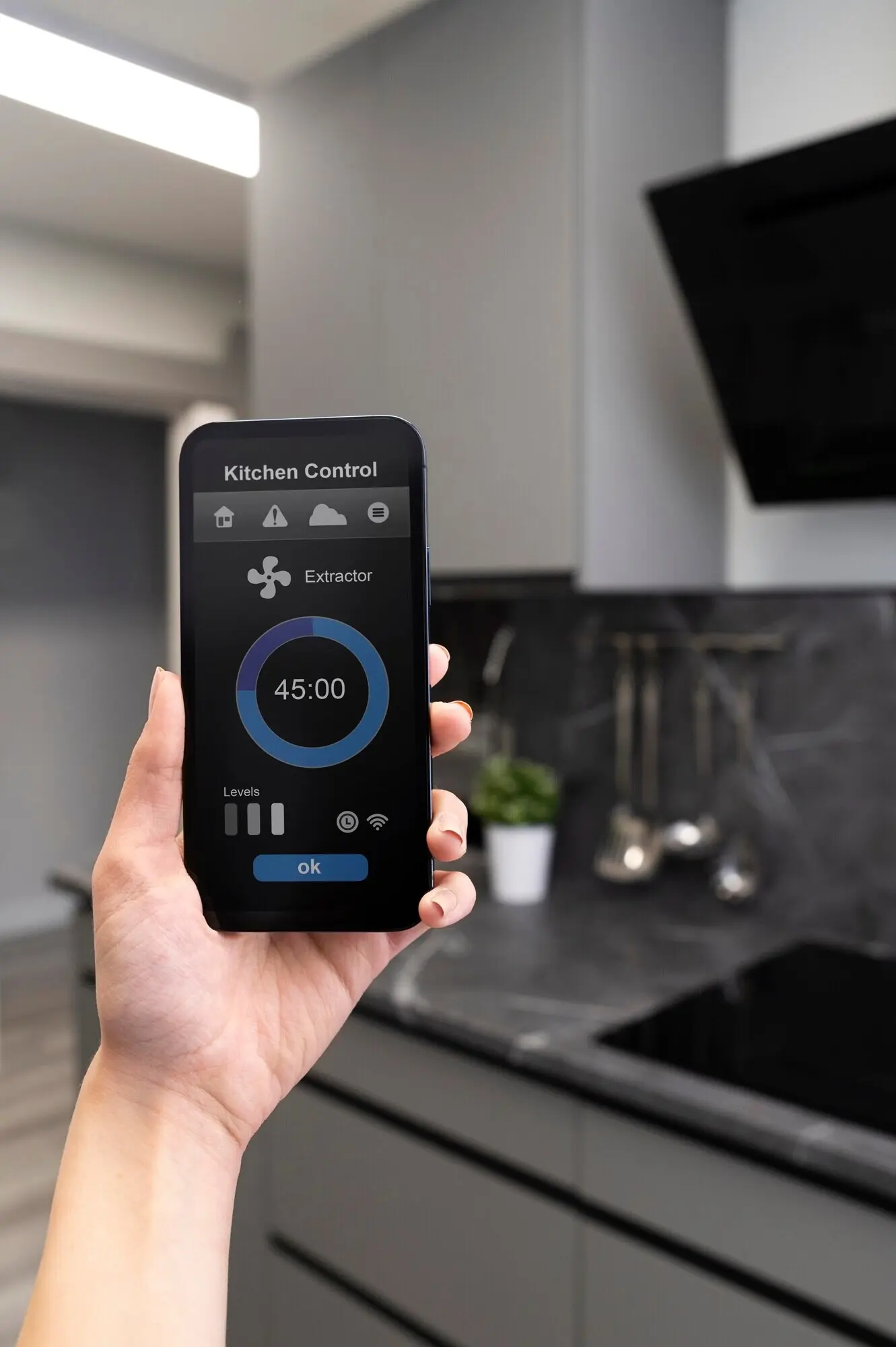
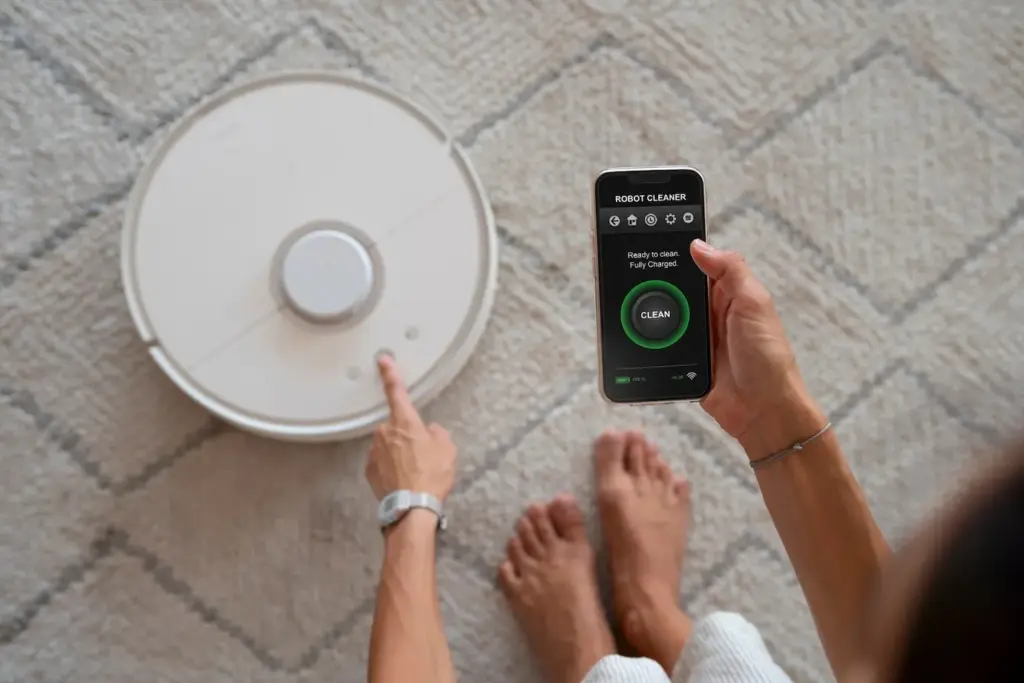
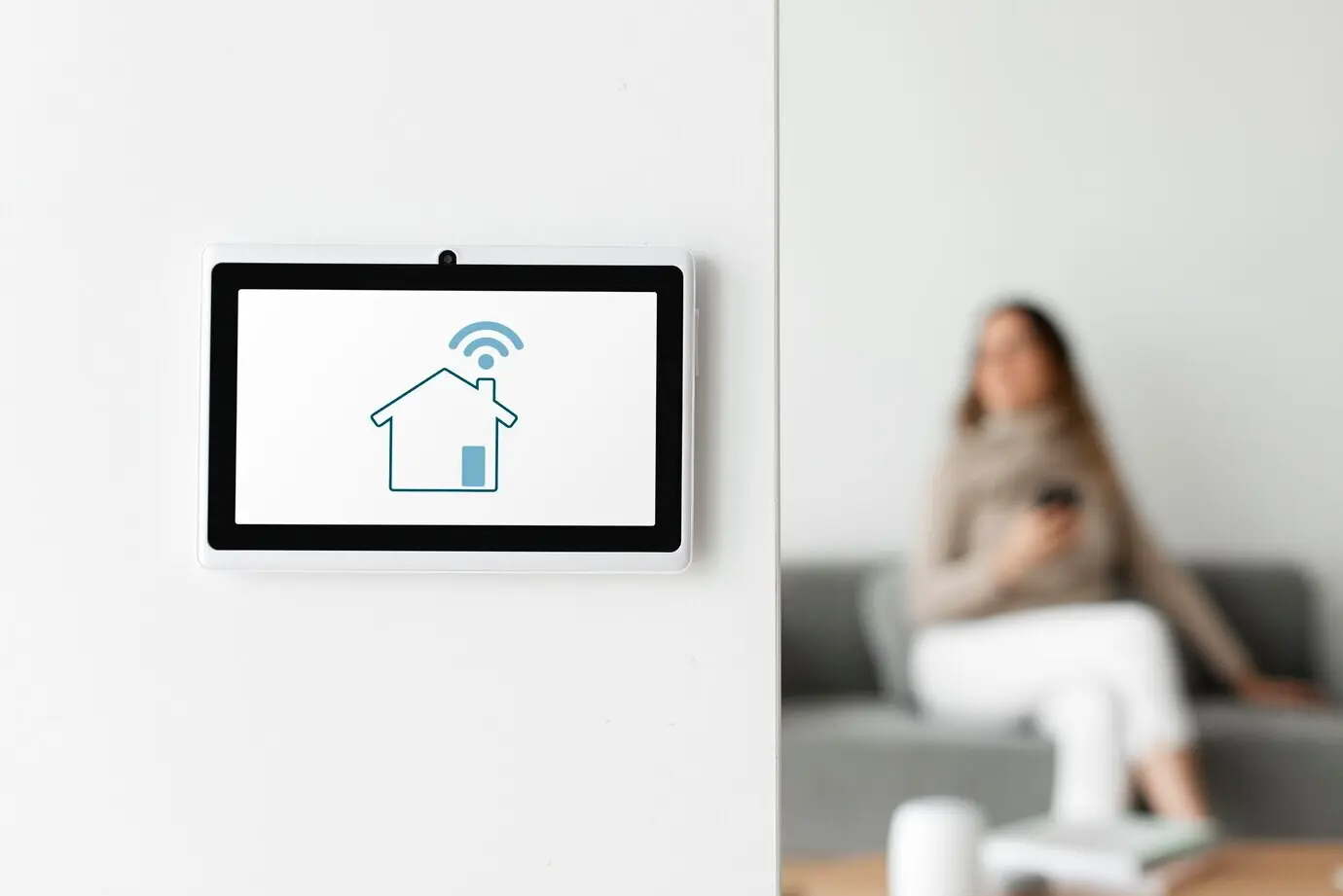
Choose devices that enhance daily life without complexity: a learning thermostat, quiet smart fans, keyless entry, and leak sensors under sinks. Keep ecosystems compatible so apps do not overwhelm. Program gentle schedules and leave a simple handover guide. Subtle convenience demonstrates contemporary living without turning the house into a tech lab, making buyers feel capable and safe rather than intimidated by flashing lights and inscrutable dashboards.

Tutoruzifomozopi
Privacy Overview

This website uses cookies so that we can provide you with the best user experience possible. Cookie information is stored in your browser and performs functions such as recognising you when you return to our website and helping our team to understand which sections of the website you find most interesting and useful.