Cut Bills with Smart Upgrades, One Room at a Time

Today we dive into room-specific energy efficiency retrofit plans for lower utility costs, turning each space into a comfortable, data-informed performer. We outline actionable upgrades, realistic budgets, and sequencing tips you can tackle over weekends, then scale. Expect comfort gains, quieter rooms, and measurable savings you can track monthly. Subscribe for practical checklists, reply with your first upgrades, and invite friends to compare utility graphs so we can celebrate wins, troubleshoot setbacks, and maintain momentum through every season.

Kitchen: Quiet Efficiency Behind Every Cabinet Door

Behind every drawer and appliance, the kitchen hides a surprising share of your monthly energy use. By pairing efficient cooking methods, targeted ventilation, water-saving fixtures, and smart sequencing for replacements, you can capture quick paybacks without sacrificing flavor or convenience, while building habits your whole household can follow and cheer, turning routine meals into quiet victories that lower bills and reduce indoor heat.

Living Room: Comfort You Can Measure
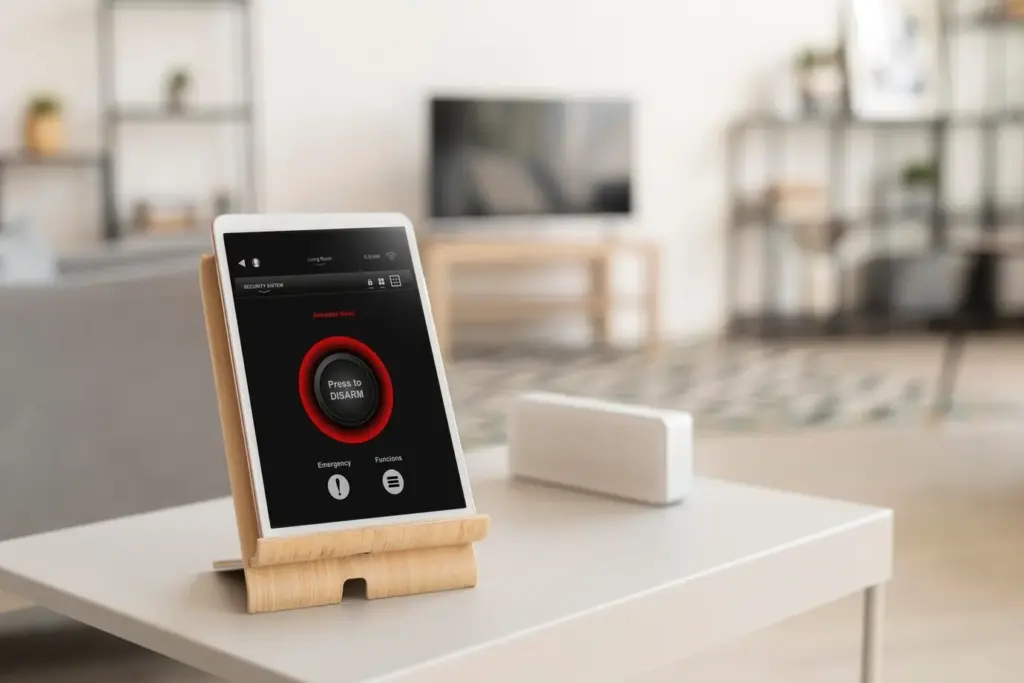
Living spaces deserve steady temperatures, clean air, and low noise. By tightening leakage paths, managing sunlight, and coordinating controls, you’ll create a place where people linger happily while your energy graphs flatten. Simple textiles, smarter habits, and discreet sensors work together to curb waste, block drafts, and keep systems cycling efficiently without constant fiddling or expensive equipment upgrades.

Seal, Shade, and Insulate

Weatherstrip door slabs, caulk trim joints, and seal baseboard gaps to slow infiltration you can actually feel. Add insulating curtains, cellular shades, and a tight rug pad to interrupt cold surfaces. Exterior shading, deciduous trees, or films reduce solar gain. Measure progress with a smoke pencil and comfort readings, celebrating every draft you silence for good.

Electronics Without the Energy Drag

Game consoles, streaming boxes, soundbars, and set-top equipment sip power around the clock. Tame them with advanced power strips that cut idle draw when the television sleeps, and schedule nightly shutdown windows. Pair a smart outlet with an energy monitor to spotlight hidden culprits, then commit to power-down routines the whole household can follow easily.

Bedroom: Quiet Air and Restful Savings

Restful rooms benefit from calm air, stable temperatures, and minimal blue light. Focusing on ventilation quality, surface temperatures, and silent control strategies can improve sleep while trimming wasted energy. Subtle upgrades, from window treatments to plug load management, add up to measurable savings that feel like luxury, not sacrifice, especially during long seasons of heating or cooling.

Nighttime Ventilation Done Right

An efficient, whisper-quiet ERV or HRV delivers fresh air without losing conditioned energy. Tie runtime to bedroom occupancy or CO2 levels to avoid over-ventilation. Upgrade bath exhaust ducts and backdraft dampers to protect pressure balance. With sealed penetrations and insulated ductwork, night air stays steady, and your equipment cycles less while maintaining excellent air quality.

Window Strategies for Sleep and Savings

Combine exterior shades, low-leakage blinds, and insulating curtains to tame solar swings. Night flushing with secure window stops helps purge heat when outdoor temperatures drop. In cold climates, apply interior storms to cut drafts dramatically. These quiet tactics steady comfort, protect sleep routines, and reduce mechanical runtime, complementing whole-home controls without complicated daily micromanagement.

Plug Loads and Chargers Under Control

Chargers, humidifiers, space heaters, and aroma diffusers can nibble power all night. Use timer outlets, smart plugs with schedules, and low-voltage alternatives to prune waste. Favor efficient mattress warmers over room heating when appropriate, and create a lights-out routine that bundles comfort, safety, and savings into one easy, shareable checklist for your household.

Bathroom and Laundry: Water Meets Watts

Water heating demands strategy, because comfort expectations are high and losses are sneaky. Pair efficient fixtures with smarter heat sources and plumbing layouts to slash gallons and kilowatt-hours together. When showers feel great and laundry cycles finish faster, adoption sticks. Thoughtful choices here deliver some of the strongest paybacks in any home, rental, or condo.

Hot Water, Smarter Paths

Consider a heat pump water heater located in a space that appreciates gentle cooling and dehumidification, like a garage. Add pipe insulation, insulating blankets where appropriate, and demand-controlled recirculation. Shorten plumbing runs during remodels. Combine with point-of-use electric kettles and efficient faucets to reduce wait times, wasted heat, and frustration while freeing capacity for other loads.

Shower Comfort with Less Flow

Modern low-flow showerheads can deliver a great feel using laminar streams or well-mixed aeration. Pair them with thermostatic valves to avoid overshooting temperatures. If your climate supports it, add drain-water heat recovery to capture shower warmth. Together, these upgrades protect comfort, speed up morning routines, and trim heater runtime without constant adjustments or scalding surprises.

Laundry That Loves Cold Water

Wash with cold by default and high spin speeds to wring moisture before drying. Choose front-loaders with strong extraction and a heat pump dryer or outdoor line for sunny days. Clean lint paths and balance loads. Stagger laundry with off-peak rates, stacking time-of-use savings on top of equipment efficiency for friendly bills and fresher closets.

Right-Sizing Your Gear

Swap energy-hungry towers for efficient laptops or mini PCs, and right-size monitors to your tasks. Choose 80 PLUS Platinum or better power supplies and efficient UPS units that sip power at idle. Calibrate brightness, enable dark modes, and let displays sleep aggressively. Savings compound across long days, while reducing heat that would trigger extra cooling.

Network and Peripherals Tamed

Routers, printers, and external drives run more than they should. Group them on a smart strip tied to your workstation, powering peripherals only when your computer is awake. Enable scheduled backups so drives spin at night, then rest. Reboot weekly for stability and efficiency, documenting settings so everyone can replicate a low-energy setup.

Data and Comfort, Smarter Controls

Set a comfortable clothing range and a narrow temperature band, then let automation handle the rest. A desk fan, radiant panel underfoot, and gentle humidification can allow higher cooling setpoints or lower heating setpoints. Log results, share findings with colleagues, and build a repeatable playbook your household or team can adopt willingly.

Entryways that Keep Weather Out

Install door sweeps, tight thresholds, and insulated cores. Create a modest vestibule with a curtain or secondary door where space allows, buffering winter blasts and summer heat. Add a boot tray to invite slower entries. With hardware tuned and habits aligned, entry comfort improves instantly, and systems cycle less to recover from pressure swings.

Stairs and Hall Lighting that Guides, Not Guzzles

Replace outdated bulbs with low-wattage, high-CRI LEDs that flatter paint and safely guide nighttime movement. Pair motion sensors with ultra-short delays and low minimum dim levels to avoid glare. Use stair treads or wall wash strips for gentle illumination. These small refinements reduce wasted hours of lighting while improving safety and aesthetics every day.
Tutoruzifomozopi
Privacy Overview

This website uses cookies so that we can provide you with the best user experience possible. Cookie information is stored in your browser and performs functions such as recognising you when you return to our website and helping our team to understand which sections of the website you find most interesting and useful.